From zero to a Dutch speaking job, within 18 months
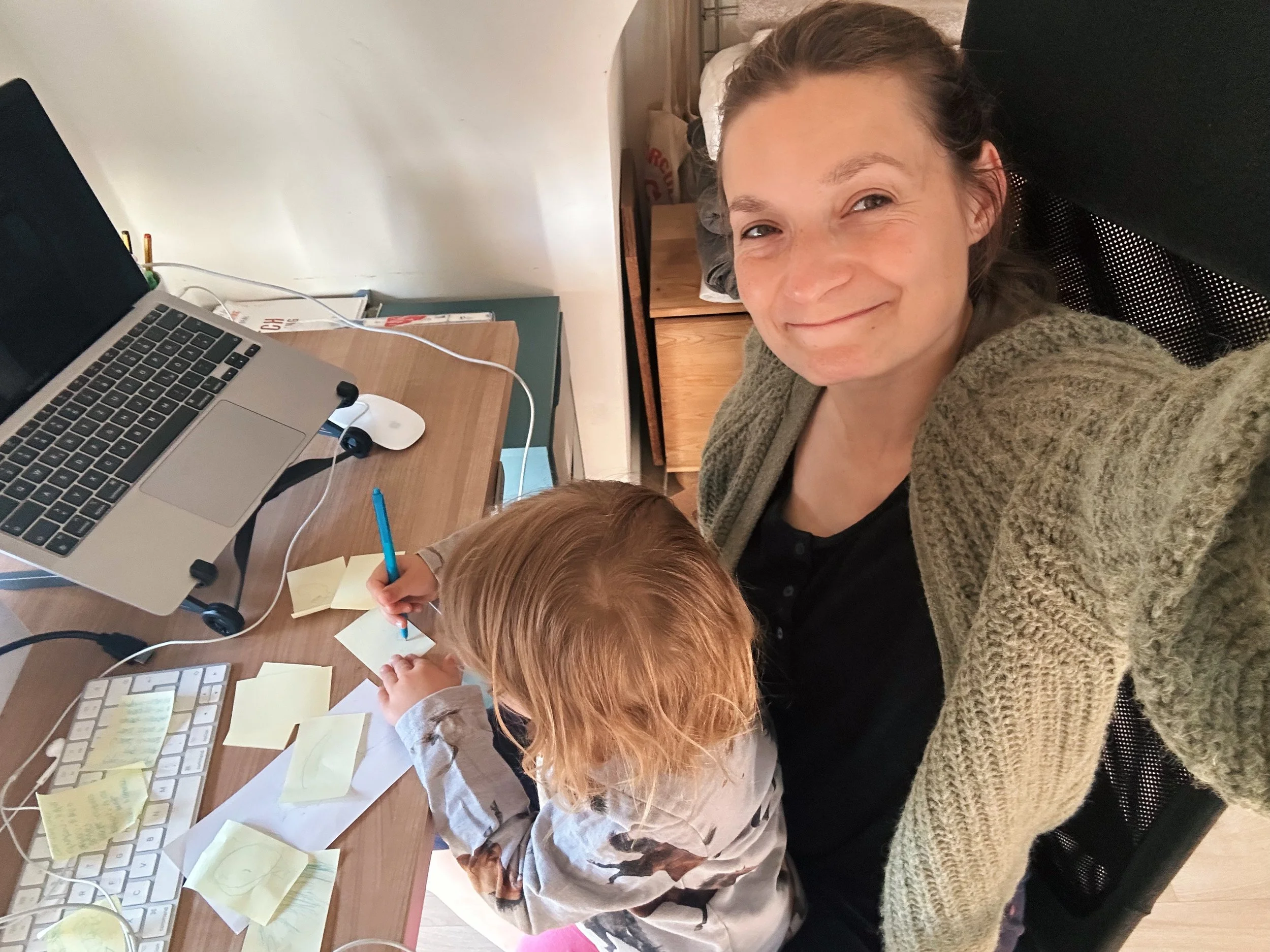
I learned German when I was 14, English when I was 19, and at 39, I started learning Dutch. While I still make a ton of mistakes, I’m fluent nevertheless.
Here’s everything I did to go from 0 to landing a job where I speak Dutch all day, every day – in just 18 months.
1) January – I started with Babbel 📱
I bought a six-month Babbel subscription and challenged myself to finish it within six months. I did.
2) April – I took learning seriously 📚
After months of Babbel, I felt I was beyond A1, so I took a placement test and started at A2.2. (Thanks, Babbel ✌️) At the time, I was still living in Germany, but I wanted to get a head start before moving.
3) May & June – Total immersion 🤯
I enrolled in an intensive course – two hours of class every weekday, plus about three hours of homework every day. In six weeks, I went from no official certificate to B1.1.
After a two-week break, I continued straight into B1.2 and finished that by the end of June.
4) Then I hit a wall 😅
Learning so much grammar and vocabulary while not actually living in the Netherlands was exhausting.
I took a much-needed break. During that time, I started reading my first Dutch book to improve my vocabulary and get a better feel for sentence structure. It’s the same way I learned English and German.
5) The hardest part – B2.1 💪
At the end of August, I started another course, this time every Saturday. My goal was to reach B2.1 before moving so I could immerse myself in our new hometown from day one. The jump from B1.2 to B2.1 was B-R-U-T-A-L !!!
I constantly searched for words, dreaded speaking, and often felt like nothing made sense.
Passing the exam a week before our move end of November was an enormous relief.
6) Moving to the Netherlands 🇳🇱
Once we arrived, I made one rule for myself – if someone switched to English, I stayed in Dutch. Most people switched back after a sentence or two. The only exceptions were situations where clear communication really mattered, like doctor’s appointments, visits to the hairdresser or the bike shop.
I also went to Dutch-speaking events and only spoke Dutch. It was uncomfortable for me – and probably for the people listening – but every conversation helped. To be fair, my brain felt completely fried afterwards but that’s part of learning.
I also started applying for jobs. I used AI to translate my cover letters and treated every interview as speaking practice.
In the evenings, we watched BinnensteBuiten, which turned out to be one of the most enjoyable ways to improve my listening skills.
7) The biggest accelerator – my job 💼
Five months after moving, I signed up for B2.2 and started a new job at the same time.
I joined a traineeship in acquisition and project development for a housing developer. They valued my experience with public tenders (making me their oldest and most experienced trainee) , and I was grateful to find a role where I get to speak Dutch every single day.
The first week was exhausting. Every evening my head was spinning, and I relied on AI to check almost everything I wrote. Just three weeks later, I noticed I was writing directly in Dutch far more often.
8) Today 🌱
Small talk no longer scares me.
I don’t constantly worry about making mistakes or feel guilty towards the people I’m speaking with.
I just… speak Dutch.
Eighteen months after I started learning, and just over a year after taking my first Dutch class, I earned my B2.2 certificate.
I still make plenty of mistakes, and phone calls in Dutch are definitely still a challenge.
But today, I can confidently say I speak Dutch.
The biggest lesson? It wasn’t one app, one course or one trick. It was combining everything – studying, reading, watching TV, speaking, making mistakes and simply refusing to give up.
If I can do that anyone that puts their mind to it can too 🙏